Quickbooks ERP Solutions: Streamlining Your Business Processes
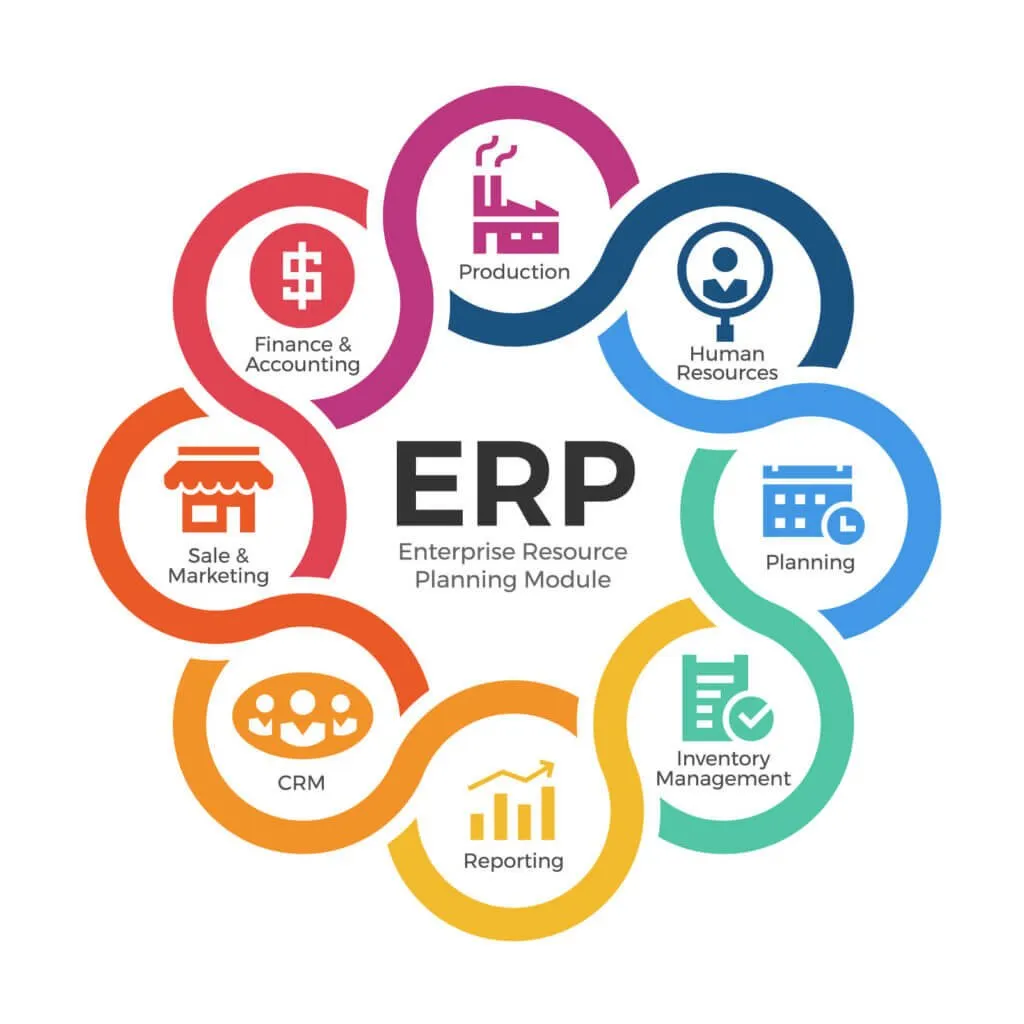
Welcome, business owners and entrepreneurs! Are you looking to streamline your business processes and improve efficiency? Look no further than QuickBooks ERP Solutions. This powerful software combines accounting, inventory management, and customer relationship management all in one platform, making it easier than ever to manage your business. Say goodbye to manual processes and hello to automation with QuickBooks ERP Solutions.
Benefits of Quickbooks ERP Solutions
Quickbooks ERP solutions offer a wide range of benefits for businesses of all sizes. One of the main advantages of using Quickbooks ERP software is the ability to consolidate all of your business processes into one streamlined system. This means that instead of having multiple different systems for accounting, inventory management, and payroll, everything can be managed from one central platform. This not only saves time and reduces the risk of errors, but also provides a comprehensive view of your business operations.
Another key benefit of Quickbooks ERP solutions is the improved efficiency and productivity that they bring to your business. By automating manual processes and integrating various departments, Quickbooks ERP software can help streamline operations and make your organization more agile and responsive to market changes. With real-time data tracking and analytics, you can make better-informed decisions and take advantage of opportunities as they arise.
Furthermore, Quickbooks ERP solutions can help improve the accuracy of your financial reporting. By integrating all of your financial data into one system, you can eliminate discrepancies and errors that are common with manual data entry. This not only ensures compliance with financial regulations and tax laws, but also enhances the credibility of your financial statements.
One of the lesser-known benefits of Quickbooks ERP solutions is the scalability they offer. Whether your business is just starting out or has been around for years, Quickbooks ERP software can grow with your business. This means that as your business expands and your needs evolve, you can easily add new features and modules to accommodate your changing requirements.
Finally, using Quickbooks ERP solutions can lead to cost savings for your business. By streamlining processes, reducing errors, and improving productivity, you can lower operational costs and increase profitability. Additionally, by having a clear view of your business operations, you can identify areas for further cost optimization and make strategic decisions that drive growth and success.
Key Features of Quickbooks ERP Solutions
Quickbooks ERP Solutions offer a wide range of features that help small and medium-sized businesses streamline their operations and improve efficiency. Here are some key features that make Quickbooks ERP Solutions stand out:
1. Financial Management: Quickbooks ERP Solutions provide robust financial management tools that allow businesses to easily track and manage their finances. From invoicing and payments to budgeting and forecasting, Quickbooks ERP Solutions help businesses stay on top of their financial health.
2. Inventory Management: One of the key features of Quickbooks ERP Solutions is its advanced inventory management system. Businesses can easily track inventory levels, set reorder points, and manage multiple warehouses with ease. The system also provides insights into inventory turnover rates and helps optimize stock levels to reduce carrying costs.
3. Customer Relationship Management (CRM): Quickbooks ERP Solutions also offer powerful CRM tools that help businesses manage customer relationships more effectively. Businesses can easily track customer interactions, monitor sales pipelines, and automate marketing campaigns to improve customer satisfaction and increase sales.
4. Reporting and Analytics: Quickbooks ERP Solutions come equipped with robust reporting and analytics tools that provide valuable insights into business performance. Businesses can generate custom reports, track key performance indicators, and make data-driven decisions to drive growth and profitability.
5. Integration Capabilities: Quickbooks ERP Solutions offer seamless integration with a wide range of third-party applications and tools, allowing businesses to customize their ERP system to fit their unique needs. From e-commerce platforms to payroll systems, businesses can easily connect all their essential tools to create a fully integrated business ecosystem.
6. Scalability: Quickbooks ERP Solutions are designed to grow with businesses, allowing them to scale up their operations without having to switch to a new ERP system. Whether a business is just starting out or has been in operation for years, Quickbooks ERP Solutions can adapt to meet changing needs and support business growth.
7. User-Friendly Interface: One of the key features of Quickbooks ERP Solutions is their user-friendly interface. Businesses can easily navigate the system, access key features, and generate reports without needing extensive training or technical expertise. This makes it easier for employees to adopt the system and start using it effectively right away.
Overall, Quickbooks ERP Solutions offer a comprehensive suite of features that help businesses manage their finances, inventory, customers, and operations more efficiently. With their advanced tools, seamless integration capabilities, and user-friendly interface, Quickbooks ERP Solutions are an excellent choice for businesses looking to streamline their processes and drive growth.
Implementation Process of Quickbooks ERP Solutions
Implementing Quickbooks ERP solutions can be a seamless process if done correctly. The implementation process involves several steps to ensure that the software is integrated smoothly into the organization’s operations. Here is a detailed breakdown of the implementation process of Quickbooks ERP solutions:
1. Planning and Preparation: The first step in implementing Quickbooks ERP solutions is planning and preparation. This involves assessing the organization’s current processes and systems, identifying areas that need improvement, and setting goals for the implementation. It is crucial to involve key stakeholders in this stage to ensure that their requirements are met.
2. Data Migration: Once the planning and preparation stage is complete, the next step is to migrate data from the organization’s existing systems to Quickbooks ERP solutions. This process involves transferring data such as customer information, product details, financial records, and more. It is essential to ensure that the data is accurate and complete to avoid any disruptions during the implementation process.
3. Customization and Configuration: One of the key advantages of Quickbooks ERP solutions is their flexibility and ability to be customized to meet the specific needs of an organization. During this stage, the software is configured to align with the organization’s processes and workflows. This includes setting up user permissions, defining roles and responsibilities, and customizing reports and dashboards. Additionally, any integrations with other systems or applications are also set up during this stage.
4. Training and Testing: Once the customization and configuration of Quickbooks ERP solutions are complete, the next step is to provide training to end-users. Training sessions are conducted to familiarize users with the software’s features and functionalities. This ensures that employees are proficient in using the software and can maximize its benefits. Additionally, thorough testing is carried out to identify any issues or bugs before the software goes live.
5. Go-Live and Support: The final stage of the implementation process is the go-live phase. This involves transitioning from the organization’s existing systems to Quickbooks ERP solutions. The software is officially launched, and employees start using it for their daily operations. It is essential to provide ongoing support and assistance to users during this phase to address any issues or concerns that may arise. This includes troubleshooting, providing additional training if needed, and ensuring that the software is functioning as expected.
In conclusion, the implementation process of Quickbooks ERP solutions is a structured and systematic approach that ensures a smooth transition to the new software. By following the steps outlined above, organizations can effectively integrate Quickbooks ERP solutions into their operations and realize the benefits of improved efficiency, streamlined processes, and better decision-making capabilities.
Customization Options for Quickbooks ERP Solutions
Quickbooks ERP solutions offer a variety of customization options to cater to the specific needs of different businesses. These customization options allow businesses to tailor their ERP system to best suit their operations and workflows. Below are some of the customization options available in Quickbooks ERP solutions:
1. Customizable Reports: One of the key features of Quickbooks ERP solutions is the ability to create custom reports. Businesses can personalize their reports by selecting the specific data fields they want to include, as well as the layout and formatting of the report. This allows businesses to generate detailed and insightful reports that meet their specific reporting requirements.
2. Customizable Dashboards: Quickbooks ERP solutions also offer customizable dashboards that provide a high-level overview of key business metrics and performance indicators. Businesses can personalize their dashboards by selecting the widgets and data visualizations that are most relevant to their operations. This allows businesses to have a real-time snapshot of their performance and make informed decisions based on current data.
3. Customizable Workflows: Quickbooks ERP solutions allow businesses to customize their workflows to streamline their operations and improve efficiency. Businesses can create custom workflows that automate repetitive tasks, route approvals to the appropriate individuals, and enforce business rules. This customization helps businesses optimize their processes and ensure consistency in their operations.
4. Integration with Third-Party Applications: Quickbooks ERP solutions offer integration capabilities with third-party applications, allowing businesses to extend the functionality of their ERP system. Businesses can integrate their ERP system with other software tools and platforms, such as CRM systems, e-commerce platforms, and business intelligence tools. This integration enables businesses to leverage the capabilities of multiple applications and create a unified ecosystem that supports their operations.
5. Custom Fields and Data Capture: Quickbooks ERP solutions allow businesses to create custom fields and capture additional data points to meet their unique requirements. Businesses can add custom fields to forms, records, and transactions to capture specific information that is not included in the standard data fields. This customization enhances the flexibility of the ERP system and enables businesses to record and analyze information that is relevant to their operations.
Overall, Quickbooks ERP solutions offer a wide range of customization options that empower businesses to tailor their ERP system to their specific needs. By leveraging these customization options, businesses can optimize their operations, improve efficiency, and drive growth in their organization.
Integrating Quickbooks ERP Solutions with Other Software Platforms
When it comes to integrating Quickbooks ERP solutions with other software platforms, there are several factors to consider to ensure a seamless and efficient process. One of the key aspects to keep in mind is the compatibility of the different software systems and the ability to transfer data between them. This is crucial for streamlining operations and increasing productivity across the organization.
One common approach to integrating Quickbooks ERP solutions with other software platforms is through the use of application programming interfaces (APIs). APIs allow different software systems to communicate with each other and share data in real-time. This enables businesses to automate processes, eliminate manual data entry, and reduce the risk of errors.
Another important consideration when integrating Quickbooks ERP solutions with other software platforms is the security of data. It is essential to ensure that data is encrypted and protected during the transfer between systems to prevent unauthorized access and data breaches. This is especially important when dealing with sensitive financial information.
Furthermore, businesses should also consider the scalability and flexibility of the integration process. As the organization grows and evolves, the software systems may need to be updated or replaced. It is important to choose software platforms that can easily integrate with new systems and adapt to changing business needs.
Additionally, businesses should prioritize user training and support when integrating Quickbooks ERP solutions with other software platforms. Providing employees with the necessary tools and resources to effectively use the integrated systems can help maximize the benefits and efficiency of the integration.
Lastly, businesses should regularly monitor and evaluate the performance of the integrated systems to identify any issues or areas for improvement. By regularly reviewing the integration process, businesses can make necessary adjustments to optimize performance and ensure seamless operation between Quickbooks ERP solutions and other software platforms.
Originally posted 2025-09-17 19:45:31.